

쿠폰'에 속아 감사를 전하는 대한민국 국민들 보니
[최보식의언론=박지현 인간안보아태전략센터 선임연구원(영국 거주 탈북민)]
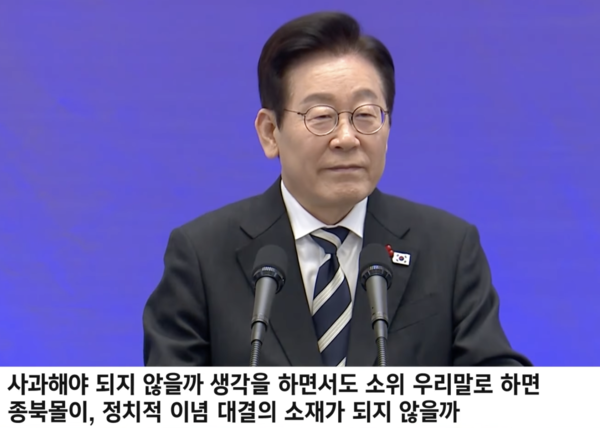
2020년, 문재인 정권은 국제사회의 우려에도 불구하고 '대북전단금지법'을 강행했다. 북한 주민에게 외부 정보를 전달하려는 탈북민 단체들의 활동을 막는 이 법에 대해 국제사회는 즉각 반발했다. 표현의 자유와 정보 접근권을 침해한다는 이유에서였다.
그러나 한국 정부는 "한반도 평화를 훼손하는 내정간섭을 중단하라"고 맞섰다. 이는 북한, 중국, 러시아, 이란, 에티오피아 등 인권 탄압 국가들이 국제사회의 비판에 대해 흔히 사용하는 반박과 같았다. 한국이 처음으로 인권 문제에 대해 '내정간섭'이라는 방패를 들이민 순간이었다.
당시 발표된 법안은 허점이 많았다. 법적 적용이 어려운 조항들을 억지로 끼워 맞춘 결과, 법리적으로 반박이 가능한 구조였다. 명분은 접경 지역 주민의 안전이었지만, 실상은 대한민국 국민의 표현의 자유를 억압하고, 북한 주민의 알 권리를 차단하는 법이었다.
전단, USB, 라디오 등 외부 정보를 담은 물품의 살포나 반출을 금지하고, 이를 위반할 경우 최대 3년의 징역형을 부과할 수 있도록 했다.
2023년, 헌법재판소는 이 법에 대해 위헌 결정을 내렸다. 그러나 그때 우리는 제대로 싸우지 못했다. 법의 허점을 조목조목 짚어낼 수 있었지만, 정치적 기세와 여론의 벽 앞에 우리의 목소리는 묻혔다.
그리고 지금, 이재명 정부는 그 법을 사실상 계승하고 있다. 표현의 자유를 억압하는 구조는 여전히 유지되고 있으며, 북한 인권 문제는 다시금 외면당하고 있다. 북한 주민의 알 권리, 탈북민의 증언, 그리고 자유를 향한 연대는 점점 더 좁은 틈으로 밀려나고 있다.
자유를 파괴하는 자들이 대한민국 국회에 앉아 있는 지금, 전체주의로 향하는 길은 더 이상 추상적인 우려가 아니라 현실이다.
전체주의는 반대자를 제압하는 정치가 아니다. 그것은 이미 정복된 대중을 향해 가해지는 테러이며, 자발성과 개성을 말살한 채, 사람들을 꼭두각시로 만드는 체제다. 눈먼 거짓에 속아 넘어가도 말 한마디 못하는 사회, 그것이 전체주의의 진정한 공포다.
'쿠폰'에 속아 감사를 전하는 대한민국 국민들 보니 사탕과자 1kg에 감격해 눈물 흘리던 북한이 떠오른다.
전체주의는 인간을 지배하려는 것이 아니라, 인간을 무용지물로 만들려는 시스템이다. 자발성이 존재하면 반항이 가능하기에, 전체주의는 사람들의 개성을 철저히 박탈한다. 생각하지 않는 사람만이 살아 남는 시스템이 바로 전체주의이다.
곧 안면인식을 해야 휴대폰 개통이 된다고 해도 국민들 대다수는 무관심이다. 즉 스스로 반항을 거부한 것이다. 이는 북한 채제와 다를 바 없다.
따라서 우리는 자발적으로 생각하고, 옳고 그름을 가릴 줄 알아야 한다. 자신이 소중하고 가치 있는 존재임을 느끼지 못한다면, 독재자는 우리를 돌처럼, 허수아비처럼, 말이나 개 만큼의 존재로 취급할 것이다.
보수가 좌파에 밀리는 이유는 인권에 대한 무관심 때문이다. 좌파와 독재자들은 인권이야말로 가장 강력한 아킬레스건임을 알고 있다. 그래서 그들은 인권을 통제하고, 왜곡하고, 때로는 그것을 무기로 삼는다.
국가보안법, 대북전단금지법 기본은 인권법이다. 좌파는 이를 폐지하려 하고, 보수는 이를 방어하지 못한다.
부정선거 역시 인권유린의 문제이지만, 이를 외치는 사람들은 정치적으로만 보다보니 인간의 기본 가치인 인권을 놓치고 있어서 국민들에게 제대로 전달이 안 된다. 즉 인권의 언어로 싸우지 않는다는 것이 가장 큰 문제이다.
우리가 독재와 좌익들과 싸워야 할 지점은 바로 그들의 가장 취약한 부분, 인권이다. 그것이야말로 독재자들이 가장 두려워하는 무기이며, 대한민국이 다시 자유를 되찾기 위한 시작점이 될 것이다.
<챗GPT가 작성한 영문기사>
South Korea Is Beginning to Resemble North Korea… A Blunt Warning from a Female North Korean Defector Based in the UK
By Ji-Hyun Park, Senior Fellow, Center for Asia Pacific Strategy (CAPS), U.K.-based North Korean defector
In 2020, the Moon Jae-in administration pushed through the so-calledAnti–North Korea Leaflet Lawdespite concerns from the international community. The law blocked the activities of defector groups seeking to deliver outside information to North Korean residents. The international community immediately pushed back, citing violations of freedom of expression and the right to access information.
The South Korean government responded by saying, “Stop interfering in our internal affairs and undermining peace on the Korean Peninsula.” This was the same rebuttal routinely used by countries with poor human-rights records—North Korea, China, Russia, Iran, Ethiopia—when faced with international criticism. It was the first time South Korea invoked “non-interference in internal affairs” as a shield against human-rights scrutiny.
The law itself was riddled with flaws. In forcing together provisions that were difficult to apply in practice, the result was a structure that was legally vulnerable and open to rebuttal. While the stated justification was the safety of residents in border areas, the reality was a law that suppressed the freedom of expression of South Korean citizens and cut off North Korean residents’ right to know.
It banned the distribution or transfer of leaflets, USB drives, radios, and other items containing outside information, and imposed penalties of up to three years in prison for violations.
In 2023, the Constitutional Court ruled the law unconstitutional. But at the time, we failed to fight properly. We could have dismantled the law point by point, exposing its legal flaws, but our voices were buried under political momentum and the wall of public opinion.
Now, the Lee Jae-myung administration is effectively inheriting that law. The structure that suppresses freedom of expression remains intact, and the issue of North Korean human rights is once again being ignored. The right of North Korean residents to know, the testimonies of defectors, and solidarity in the name of freedom are being pushed into ever-narrower cracks.
With those who undermine freedom now seated in the National Assembly, the road toward totalitarianism is no longer an abstract concern—it is reality.
Totalitarianism is not simply politics that crushes opponents. It is terror inflicted upon a population that has already been conquered—a system that eradicates spontaneity and individuality and turns people into puppets. A society where people cannot utter a single word even when confronted with blatant falsehoods—that is the true horror of totalitarianism.
Watching South Korean citizens express gratitude after being swayed by “coupons,” I am reminded of North Koreans who wept with joy over one kilogram of candy and snacks.
Totalitarianism is not about ruling people; it is about rendering them useless. Because spontaneity makes resistance possible, totalitarian systems relentlessly strip people of individuality. A system in which only those who do not think can survive—that is totalitarianism.
Even if facial recognition becomes mandatory just to open a mobile phone account, most citizens will remain indifferent. That is a refusal to resist by choice—and it is no different from the North Korean system.
Therefore, we must think voluntarily and be able to distinguish right from wrong. If people fail to recognize their own worth and dignity, dictators will treat them like stones, scarecrows, or no more valuable than horses or dogs.
The reason conservatives are losing ground to the left is their indifference to human rights. The left and dictators alike know that human rights are the most powerful Achilles’ heel. That is why they control them, distort them, and sometimes weaponize them.
At their core, the National Security Act and the Anti–North Korea Leaflet Law are human-rights laws. The left seeks to abolish them, while the right fails to defend them.
Election fraud is also a matter of human-rights abuse, but those who raise the issue view it only through a political lens and miss the fundamental human value of human rights, which prevents the message from reaching the public. The greatest problem is that they do not fight in the language of human rights.
The point at which we must confront dictators and the left is precisely their weakest spot: human rights. That is the weapon dictators fear most, and it is the starting point for South Korea to reclaim its freedom.
#HumanRights #FreedomOfExpression #Totalitarianism
#전체주의의경고 #표현의자유와북한인권 #인권은내정간섭이아니다
관련기사
- 李대통령, 북한의 철책 설치를 ‘북침 공포’로 해석하다
- '개딸 현상'에 대한 인류학적 보고...왜 사람들은 스스로 복종하는가
- South Korea Is Beginning to Resemble North Korea… A Blunt Warning from a Female North Korean Defector Based in the UK
- 독재 권력은 그 시대의 '지식'을 독점하는 것!...영국 주재 女탈북인의 직설
- 이대통령 성탄 메시지의 '위선'을 고발한다!...영국 주재 女탈북인
- 북한 '태권도 70주년 기념행사' 전격취소...그 배경엔 한 여성이!
- 북한 인터넷 집에서 접속...왜 '대북송금'의 변형 루트일까?