

가장 큰 피해자는 이란 시민
[최보식의언론=송영복 객원기자]
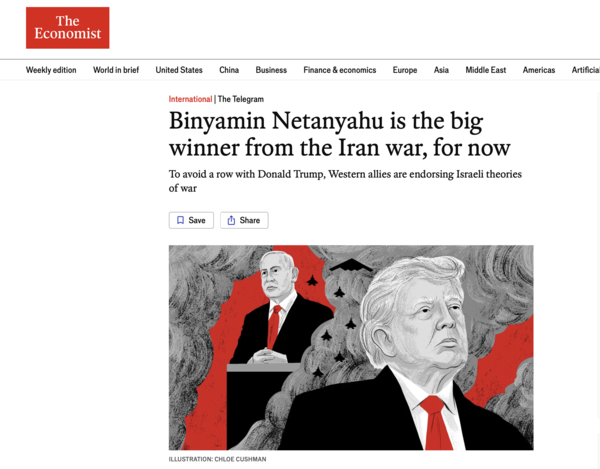
“기습하라, 압도적 무력을 사용하라. 적 지도부 제거를 주저하지 말라.”
이스라엘이 설계한 전쟁 설계가 이스라엘을 이란 전쟁 초기의 승자로 만들었다고 영국 이코노미스트지가 보도했다,
2003년 이라크전 당시에도 서방 국가들은 분열됐었지만 당시 미국은 유엔의 승인이라는 외교적 정당성을 최소한 추구했지만, 트럼프 집권2기의 미국은 그런 절차를 거치지 않는 ‘힘이 곧 정의’라는 질서를 현실로 만들고 있다고 주장했다.
이코노미스트가 3일 보도한 ‘Binyamin Netanyahu is the big winner from the Iran war, for now’(지금까지는 네타냐후의 승리…이란 전쟁의 최대 수혜자)라는 제목의 기사에서 “이란 작전은 미국의 군사력을 기반으로 하지만 전쟁 설계는 상당 부분 이스라엘의 전쟁 이론에 따라 형성되고 있다”며 “트럼프와의 충돌을 피하려는 서방, 이스라엘식 전쟁 논리를 사실상 승인”했기 때문이라고 분석했다.
이스라엘과 미국의 이러한 전쟁 방식이 이스라엘에 대해 비판적이었던 서방 국가들이 이스라엘의 논리를 수용하고 있다는 것이다.
이코노미스트는 “이스라엘의 가자 지구에서의 장기전과 막대한 사망자 수는 서방 내부에서도 이스라엘을 점점 고립시켜 왔다”며 “그런데 최근 들어 많은 민주주의 지도자들이 이스라엘식 논리를 더 수용하는 듯한 태도를 보이고 있다”고 전했다.
이어 “2월 28일 미국과 이스라엘이 공동으로 이란을 공격했을때, 작전의 핵심 요소는 이란 최고 지도부 제거였다. 이는 미국의 태도 변화”라며 “트럼프 대통령은 1기 때 네타냐후 총리가 이란 정권 교체를 요구했을 때 이를 거부했다. 그러나 이제 그는 폭정에 맞선 민중 봉기를 촉구하는 것이 정치적으로 유리해 보인다고 판단한 듯하다”고 말했다.
그러면서 “이란 국민에게 거리로 나오라고 촉구하는 트럼프의 발언은 네타냐후의 오래된 메시지와 유사하다”며 “다만 동시에 이란 엘리트와의 타협 가능성도 열어두는 듯한 발언을 하기도 한다”고 덧붙였다.
4일 현재 서방 국가들 가운데 영국 키어 스타머 총리는 이란 작전 참여에 신중론을 펴고 있고 스페인은 미군 전투기의 기지 사용을 거부했다. 이에 트럼프는 무역 보복을 위협했다.
반면 독일 총리 프리드리히 메르츠는 '하메네이 제거의 합법성 여부를 논쟁하는 것은 무의미하다'고 했다. 메르츠 총리는 정권 교체의 위험성을 언급하면서도 이란 정권의 탄압과 하마스·헤즈볼라 지원, 핵·탄도미사일 개발 등을 열거하면서 미·이스라엘 공습을 비판하지 않겠다고 말했다. 호주, 캐나다, 뉴질랜드도 이란 공습을 지지했다.
프랑스는 이란전 초기에는 유엔 안보리 논의를 요구했지만, 이란 드론이 프랑스 기지를 공격한 이후 입장이 강경해졌다. 마크롱 대통령은 베네수엘라 마두로 대통령이 체포됐을 때, “그의 퇴진은 베네수엘라 국민에게 좋은 소식”이라고 말한 바있다.
다음은 이코노미스트의 ‘Binyamin Netanyahu is the big winner from the Iran war, for now’라는 제목의 기사 전문이다. (편집자)
이란에서 거대한 도박이 진행 중이다. 그 대가는 이란 국민과 중동, 그리고 전 세계에 막대하다. 패자는 많을 수 있다. 그 시작은 평범한 이란 시민들일지 모른다.
그러나 이 불확실한 초기 국면에서 한 명의 조기 승자가 두드러진다. 바로 이스라엘이다. 이란 작전은 미국의 군사력을 기반으로 하지만, 전쟁의 설계는 상당 부분 이스라엘의 전쟁 이론에 의해 형성되고 있다. 이스라엘식 승리 공식은 간단하다. 기습하라. 압도적 무력을 사용하라. 적 지도부 제거를 주저하지 말라.
이스라엘 정치인과 외교관들은 자국이 국제법을 존중한다고 주장한다. 그러나 위험한 환경에 놓인 작은 민주주의 국가로서 안보를 최우선에 둘 수밖에 없다는 논리다. 이스라엘은 전쟁 규칙을 지키고 있으며, 테러리스트는 동정의 대상이 아니라는 주장도 반복된다. 그럼에도 가자지구에서의 장기전과 막대한 사망자 수는 서방 내부에서도 이스라엘을 점점 고립시켜 왔다. 그런데 최근 들어 많은 민주주의 지도자들이 이스라엘식 논리를 더 수용하는 듯한 태도를 보이고 있다.
2월 28일 미국과 이스라엘이 공동으로 이란을 공격했을 때, 작전의 핵심 요소는 이란 최고 지도부 제거였다. 이는 미국의 태도 변화다. 트럼프 대통령은 1기 때 네타냐후 총리가 이란 정권 교체를 요구했을 때 이를 거부했다. 그러나 이제 그는 폭정에 맞선 민중 봉기를 촉구하는 것이 정치적으로 유리해 보인다고 판단한 듯하다. 이란 국민에게 거리로 나오라고 촉구하는 트럼프의 발언은 네타냐후의 오래된 메시지와 유사하다. 다만 동시에 이란 엘리트와의 타협 가능성도 열어두는 듯한 발언을 하기도 한다.
공습 직후 미국 국방장관 피트 헤그세스는 이스라엘을 “명확한 목표를 가진 유능한 파트너”라고 치켜세우며, 전통적 동맹국들이 무력 사용에 대해 망설이고 우유부단하다고 비판했다. 그러나 이는 더 큰 맥락을 놓친 평가일 수 있다.
일부 동맹국은 이란 작전 참여에 신중했다. 영국의 키어 스타머 총리는 초기에는 미군의 영국 기지 사용을 허용하지 않았다. 이후 인접국 방어 목적의 “방어적” 공습에는 기지 사용을 허용했다. 그는 “공중에서의 정권 교체”에 반대한다는 원칙도 밝혔다. 하지만 그의 신중한 태도는 노동당 내부의 친이란·반이스라엘 세력과의 정치적 균형 때문이라는 분석도 있다.
스페인 역시 미군 전투기의 기지 사용을 거부했고, 트럼프는 이에 대해 무역 보복을 위협했다. 그러나 이러한 국내 정치적 사정은 본질이 아니다. 더 중요한 질문은 왜 다른 서방 국가들이 트럼프의 이란 공격을 지지하고 있느냐는 점이다.
독일 총리 프리드리히 메르츠는 3월 1일 냉혹한 현실주의를 드러냈다. 그는 이란 최고지도자 알리 하메네이 제거의 합법성을 논쟁하는 것은 무의미하다고 말하며, 이란 정권의 탄압과 하마스·헤즈볼라 지원, 핵·탄도미사일 개발을 열거했다. 정권 교체는 위험하다고 인정하면서도, 독일은 미·이스라엘 공습을 비판하지 않겠다고 밝혔다.
그는 유럽이 오랜 기간 이란의 국제규범 위반을 비판했지만 군사력으로 뒷받침하지 못했다고 지적했다. 또한 유럽은 우크라이나 방어를 위해 미국의 지원이 필요하다고도 언급했다. “지금은 동맹을 훈계할 때가 아니다. 우리는 그들의 목표를 공유하지만 이를 스스로 달성할 능력이 없다”고 그는 말했다. 그는 과거에도 이스라엘이 세계를 대신해 “더러운 일(dirty work)”을 한다고 평가한 바 있다.
호주, 캐나다, 뉴질랜드는 그만큼 직설적이지는 않지만, 이란 공습을 지지했다. 호주 총리 앤서니 앨버니지는 “하메네이의 죽음을 애도하지는 않을 것”이라고 밝혔다. 프랑스는 초기에는 유엔 안보리 논의를 요구했지만, 이란 드론이 프랑스 기지를 공격한 이후 입장이 강경해졌다.
견제와 균형은 사라지고 있다.
베네수엘라의 니콜라스 마두로가 미국에 의해 체포됐을 때도 유사한 장면이 연출됐다. 프랑스의 에마뉘엘 마크롱 대통령은 방식에는 동의하지 않는다면서도, 그의 퇴진은 “베네수엘라 국민에게 좋은 소식”이라고 말했다.
이란에서 베네수엘라에 이르기까지, 충분한 국제적 논의 없이 거대한 선례들이 만들어지고 있다. 예컨대 중국은 대만의 일부 민주적 지도자들을 범죄적 분리주의자로 간주한다. 그렇다면 그들 역시 제거 대상이 될 수 있는가?
2003년 이라크 전쟁 전에도 서방은 격렬하게 분열됐다. 그러나 당시 미국은 최소한 유엔의 승인이라는 외교적 정당성을 추구했다. 오늘날 미국은 그러한 절차를 거치지 않는다. 힘이 곧 정의라는 질서가 형성되고 있으며, 트럼프와 네타냐후는 이를 능숙하게 활용하고 있다.
대다수 서방 동맹국은 이런 세계를 원하지 않았다. 그러나 이제 그 질서가 현실이 되자, 그 규칙에 적응할 수밖에 없는 상황에 놓여 있다.
<기사 원문>
Binyamin Netanyahu is the big winner from the Iran war, for now
To avoid a row with Donald Trump, Western allies are endorsing Israeli theories of war
a great gamble is under way in Iran. The stakes are daunting for the Iranian people, the wider Middle East and the world. There may be many losers, starting with ordinary Iranians.
In these uncertain first days, an early winner stands out, though: Israel. The Iran campaign relies on American firepower. But to a striking degree, it is shaped by Israeli theories of war. Israel's rules for victory can be summarised as: attack without warning, use overwhelming force and do not scruple to kill an enemy's leaders. Of course Israel believes in international law, the country's politicians and diplomats insist. But as a small democracy in a dangerous neighbourhood, Israel must put security first. Israeli officials argue that they observe the rules of war-in contrast to the terrorists who deserve no tears or pity. In spite of this, the long campaign and huge death toll in Gaza have left Israel increasingly isolated, even among once-supportive Western governments. Suddenly, though, many democratic leaders sound more accepting of Israeli-style arguments.
When America and Israel jointly attacked Iran on February 28th, key elements of the operation reflected an Israeli logic, starting with the killing of Iran's top leaders. That marks a change for America. In his first term a risk-averse President Donald Trump disagreed when Israel's prime minister, Binyamin Netanyahu, urged him to seek regime change in Iran. Now calling for a popular uprising against tyranny strikes Mr Trump as a good look, at least. When Mr Trump urges ordinary Iranians to rise up, he is echoing long-standing Netanyahu talking-points-even if, just as often, America's president sounds open to cutting a deal with a turncoat from Iran's ruling elite.
Soon after attacks on Iran began, Mr Trump's Pentagon chief, Pete Hegseth, praised Israel as a capable partner that brought a clear mission to the Iran fight, "unlike so many of our traditional allies, who wring their hands and clutch their pearls, hemming and hawing about the use of force". Not for the first time Mr Hegseth, a preening culture warrior, is missing the bigger picture.
True, a few American partners have been wary of joining the Iran operation. Britain's prime minister, Sir Keir Starmer, initially declined to let America use British bases. He has since allowed British bases to be used for "defensive" strikes against Iranian forces that menace neighbouring countries. Sir Keir is a former human-rights lawyer and, as it happens, an inveterate hand-wringer. To his credit he has voiced his government's principled opposition to the notion of "regime change from the skies". Yet his brief defiance of Mr Trump is best explained by his tenuous hold on the leadership of the Labour Party, which is full of Israel critics and leftists who have not forgiven Tony Blair for joining America's invasion of Iraq in 2003. The fragility of Spain's left-leaning coalition government also helps explain why that country has barred American jets from using Spanish bases to reach Iran. Mr Trump has now threatened a ban on American trade with Spain. These local dramas are a side-show. It is more revealing to ask why other Western governments say they back Mr Trump's fight with Iran.
Germany's chancellor, Friedrich Merz, offered a master-class in bleak realism on March 1st. Calling it pointless to debate the legality of strikes that killed Iran's supreme leader, Ayatollah Ali Khamenei, and other high-ups, Mr Merz catalogued reasons not to mourn their "regime of terror", from its oppression of Iran's people to its support for Hamas and Hizbullah and its nuclear and ballistic-missile programmes. Regime change is risky, Mr Merz conceded. But Germany will not criticise American and Israeli strikes. For one thing, European governments spent years condemning Iran for breaking international rules but failed to back those judgments with military force, the chancellor noted. For another, Europe needs America's help to defend Ukraine. "Therefore, this is not the time to lecture our partners and allies. Despite our reservations, we share many of their goals without being able to actually achieve them ourselves," he declared. Mr Merz's admission follows another that he made last summer, after Israel and America bombed Iranian nuclear sites. Israel deserves thanks for doing the world's "dirty work", he suggested back then.
The governments of Australia, Canada and New Zealand do not go that far. But all have offered support for strikes on Iran. Khamenei's passing "will not be mourned", said Anthony Albanese, Australia's prime minister. At first France expressed concerns about the operation in Iran, and called for the un Security Council to weigh in. The tone in Paris hardened after Iranian drones hit a French base in the Gulf. In a joint statement with Britain and Germany, France now pledges to help destroy Iran's missile and drone capabilities.
Checks and balances are vanishing
Nor is it the first sighting of allies trying to see an upside in a Trumpian intervention. After America captured Nicolás Maduro, the Venezuelan leader, in January the French president, Emmanuel Macron, said that his country did not support the method used, but dubbed Mr Maduro a dictator whose departure was "good news for Venezuelans". From Iran to Venezuela, big precedents are being set without much debate. China, for instance, considers many democratically elected Taiwanese politicians to be criminal separatists. Are they now fair game for killing or capture?
Terrible arguments divided the West before the invasion of Iraq in 2003. At least they were born of attempts by President George W. Bush to secure un backing for his war. Today's America seeks no such mandates before it acts. A might-makes-right order is taking shape, one which Mr Trump and Mr Netanyahu navigate with ease. Most Western allies never wished for this world. Now that it is arriving, they are having to adapt to its rules.
#이란시민피해 #중동전쟁 #전쟁의대가 #트럼프네타냐후
관련기사
- 北, 김정은의 담배 연출 사진 왜 내보냈나...하메네이 참수 직후
- 하메네이 폭사한 뒤... 후계자 알리 라리자니의 딸?
- 미국은 이란전쟁 개시했는데, 李대통령은 싱가포르 방문?
- 8개월만에 다시 터진 '중동 화약고'... 트럼프의 이란 전쟁 '딥 스토리'
- '이란 전쟁' 직격탄 맞은 아시아 네 나라!...3차 오일쇼크 오나
- 안개 속 이란 전쟁의 '진실'은 美국무장관 마르코 루비오의 입에서
- 이란 공격 뒤 미국내 트럼프 지지층의 불만?
- 미국은 왜 이란을 때렸나 ... ‘그레이트 게임’의 현대판
- 중동전의 확전 여부는 ‘물’에 달려 있다!... 美포춘의 분석