

사드 발사 시스템은 지난 3일 반출
[최보식의언론=박선영 전 진실·화해를위한과거사정리위원장]
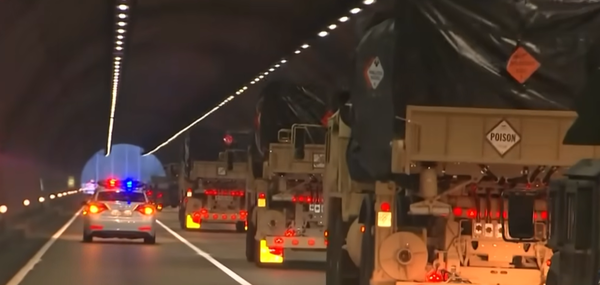
미국 워싱턴포스트가 지난 9일 “미 국방부가 사드(THAAD·고고도 미사일 방어체계) 시스템의 일부(요격미사일)를 한국에서 중동으로 이동시키고 있다”고 2명의 관리를 인용해 보도했다.
경북 성주기지를 출발한 사드 발사 차량 6대가 오산기지에 도착해 요격미사일을 내려둔 채 성주기지로 복귀했다는 것이다.
SBS가 성주 기지 인근 마을 CCTV를 확인한 결과, 사드 발사 시스템은 지난 3일 반출됐다.
사드 발사차량 1대로 8발의 요격미사일을 탑재할 수 있으며, 6대 모두 8발을 탑재했다면 총 48발의 요격미사일이 오산기지로 이동했다고 볼 수 있다. (편집자)
별 미친 놈들 다 보겠다.
미군이 패트리엇 포대를 중동으로 이전한 데 이어 '한국의 대표적 방공 자산인 사드, 고고도미사일방어체계 THAAD 일부도 차출했다'고 워싱턴포스트지가 보도하자마자, 모든 한국 언론이 앞다투어 크게 보도하고 있다.
'우리 사드가 반출됐다'고.
'중동 사태 장기화가 한반도 방위 체계에까지 직접 영향을 주기 시작했다'고.
내 눈과 귀를 의심했다.
내 기억력까지 의심했다.
'사드를 비치하면 성주 참외까지 이상하게 되고, 그 참외를 우리가 먹으면 어쩌구저쩌구' 하던 인간들, 아닌가?
정말 10년이면 강산도 변하고,
사람도 안팎까지 다 변하나 보다.
중국은 우리가 사드배치했다고 롯데를 겁박하고 파괴해도 말 한 마디 안 하던 놈들이 '우리 사드가 밖으로 나갔다'며 비오는 날 개구리 울부짖듯 난리다.
개구리 깨어난 지도 며칠 안 돼서 소리내는 것도 힘들 텐데 울기까지 하니, 참, 힘들겠네.
그래도 죽기를 무릅쓰고 더 크게 개골개골 울어봐라.
10년 전에 반대하던 그 그악스러움으로.

아래는 워싱턴포스트가 9일 자로 보도한 ‘Early Iran strikes cost $5.6 billion in munitions, Pentagon estimates’(초기 이란 공습에 56억 달러 무기 소모…미 국방부 추산)라는 제목의 기사 전문이다.
전쟁 첫 이틀 동안의 비용으로, 미군이 첨단 무기 비축을 빠르게 소모하고 있다는 의회의 우려를 더욱 키울 것으로 보인다.
미 국방부는 이란에 대한 군사 공격 첫 이틀 동안 약 56억 달러(약 7조 5천억 원)규모의 탄약을 소모한 것으로 추산된다고 미국 관리 3명이 밝혔다. 이 수치는 미군이 미국의 가장 첨단 무기 비축을 얼마나 빠른 속도로 소진하고 있는지를 보여주며, 워싱턴 의회 일각에서 제기되는 우려를 더욱 키우고 있다.
이 추산치는 월요일 의회에 보고됐다. 이는 이란 작전이 미군의 전투 준비 태세를 빠르게 약화시키고 있다는 의원들의 우려를 트럼프 행정부가 지나치게 가볍게 여기고 있다는 새로운 의문을 제기하고 있다.
트럼프 행정부는 또한 이 작전을 지속하기 위해 이르면 이번 주 안에 수백억 달러 규모에 이를 수 있는 국방 추가 예산안을 의회에 제출할 것으로 예상된다고 관계자들은 말했다. 그러나 이 역시 이란에 대한 추가 군사 행동을 제한하려 했던 민주당 의원들의 반대에 직면할 것으로 보인다.
미군 무기 비축 상황에 대한 워싱턴포스트의 질문에 대해 국방부 수석 대변인 션 파넬은 성명을 통해 “국방부는 대통령이 선택하는 시간과 장소, 그리고 어떤 일정에서도 임무를 수행하는 데 필요한 모든 것을 갖추고 있다”고 밝혔다.
전쟁이 얼마나 오래 지속될지는 아직 불분명하다. 도널드 트럼프 대통령은 지난주 이 작전이한 달 이상 지속될 수 있다고 말했지만, 월요일 CBS 뉴스와의 인터뷰에서는 이란이 상당한 군사적 손실을 입었다며 작전이 “거의 마무리 단계에 매우 가까워졌다”고 말했다.
피트 헤그세스 국방장관과 합참의장 댄 케인 장군은 지난주 기자들에게, 이번 군사 작전이 정밀 유도무기에 대한 의존도를 줄이고 대신 보다 충분히 확보된 레이저 유도 폭탄을 점점 더 많이 사용하는 단계로 전환되고 있다고 밝혔다. 이는 미군과 이스라엘군이 이란 상공에서 제공권을 확보한 뒤 내륙으로 진격하고 있기 때문이다.
관계자들은 이 전환이 시작되기 이전의 공습 비용이 얼마나 컸는지를 56억 달러라는 수치가 보여준다고 말했다. 민감한 추정치에 대해 설명하기 위해 익명을 요구한 이 관계자들은 전쟁 초기 며칠 동안 정확히 어떤 종류의 무기가 얼마나 사용됐는지는 구체적으로 밝히지 않았다.
워싱턴포스트는 앞서 2월 28일 교전 시작 이후 미군이 수백 발의 정밀 유도무기를 발사했다고 보도한 바 있다. 여기에는 첨단 방공 요격미사일과 토마호크 순항미사일도 포함된다. 중동 지역 군사작전을 담당하는 미 중부사령부는 2,000발 이상의 탄약을 사용해 이란 내 5,000개 이상의 목표물을 타격했다고 밝혔다.
미국 전략국제문제연구소(CSIS)의 마크 캔시언 연구원은 정밀 장거리 무기 사용을 줄이면 공격 비용이 크게 낮아질 것이라고 말했다. 그는 “지금까지는 한 발당 수백만 달러가 들었지만 앞으로는 일부 공격의 경우 10만 달러 이하로 떨어질 수 있다”고 설명했다.
한편 미군은 무기 비축이 줄어들자 다른 지역에서 자산을 재배치하고 있다. 여기에는 인도·태평양 지역도 포함된다. 미국 의회는 오래전부터 중국과의 충돌이 발생할 경우 미군의 첨단 무기 재고가 부족할 수 있다는 점을 우려해왔다.
미국 관리 2명에 따르면 국방부는 한국에 배치된 고고도 미사일 방어체계(THAAD)의 일부 장비를 중동으로 이동시키고 있다. 또한 미군은 이란의 드론과 탄도미사일 공격에 대비하기 위해 인도·태평양 지역 등에서 패트리엇 요격미사일 일부도 이동시키고 있다고 이들은 말했다.
한 관계자는 이러한 조치가 중동에서 무기가 즉각적으로 부족해서라기보다는, 이란이 보복 공격의 강도를 크게 높일 경우에 대비한 예방적 조치라고 설명했다. 실제로 분쟁이 시작된 지 일주일이 지나면서 이란의 보복 공격 빈도는 감소한 상태라고 그는 덧붙였다.
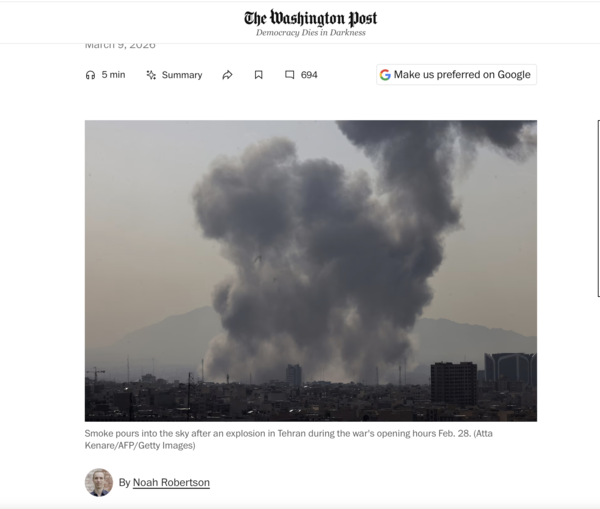
<기사 원문>
The figure, accounting for the war's first two days, is likely to intensify concerns in Congress that U.S. forces are churning through a scarce supply of advanced weaponry.
The Pentagon burned through $5.6 billion worth of munitions during the first two days of its military assault on Iran, according to three U.S. officials, a figure that underscores the deepening alarm among some on Capitol Hill over the speed at which U.S. forces have eaten into the scarce supply of America's most advanced weaponry.
The estimate, shared with Congress on Monday, raises new questions about the Trump administration's broad dismissal of lawmakers' concerns that the Iran operation is quickly eroding the U.S. military's readiness.
The Trump administration also is expected to send Congress a supplemental defense budget request as soon as this week - potentially totaling tens of billions of dollars - to help sustain its campaign, officials said. That, too, is expected to face opposition from many Democrats whose attempts to restrain the administration from further military action in Iran have come up empty.
In response to questions from The Washington Post about the state of U.S. weapons inventories, Sean Parnell, the Pentagon's chief spokesman, issued a statement saying that the Defense Department has "everything it needs to execute any mission at the time and place of the President's choosing and on any timeline.“
It's unclear how long the war could last. President Donald Trump said last week that the operation could take more than a month, though on Monday he told CBS News that it is "very complete, pretty much," citing Iran's significant military losses.
Defense Secretary Pete Hegseth and Joint Chiefs Chairman Gen. Dan Caine told reporters last week that the campaign was transitioning away from its reliance on precision munitions and instead will increasingly use the more plentiful stores of laser-guided bombs as U.S. and Israeli forces push inland after establishing air superiority over Iran.
The $5.6 billion figure highlights how costly the strikes were before that transition began, said the officials, who like some others spoke on the condition of anonymity to discuss the sensitive estimate. They did not specify how many and what kinds of munitions were expended in the war's opening days.
The Post has previously reported that the military has fired hundreds of precision weapons since the start of hostilities on Feb. 28, including advanced air defense interceptors and Tomahawk cruise missiles. U.S. Central Command, which oversees military operations throughout the Middle East, has said that more than 5,000 targets have been hit in Iran using more than 2,000 munitions.
Mark Cancian, who closely monitors U.S. inventories at the Center for Strategic and International Studies, said the shift away from these longer-range munitions will dramatically lower the price of each strike - from millions of dollars spent on each round fired to less than $100,000, in some cases.
As it churns through its inventories, the military also is rerouting assets from other parts of the world, including the Indo-Pacific region, where lawmakers have long feared that any U.S. conflict with China would be challenged by the Pentagon's limited stocks of high-end weapons.
The Pentagon is moving parts of a Terminal High Altitude Area Defense (THAAD) system from South Korea to the Middle East, according to two officials. The military also is drawing from its supply of sophisticated Patriot interceptors in the Indo-Pacific and elsewhere to bolster its defense against Iran's drone and ballistic missile attacks, these people said.
One of the officials said the moves were not due to an immediate shortage of weaponry in the Middle East but were rather a precautionary measure in case Iran drastically increased its rate of retaliatory attacks, which has fallen more than a week into the conflict.
#사드논쟁 #THAAD #안보정치