

언어·감정·기억까지 지우는 북한… ‘문화 대량학살’의 실체
[최보식의언론=박지현 인간안보아태전략센터 선임연구원(영국 거주 탈북민)]
문화의 죽음은 조용히 시작된다.
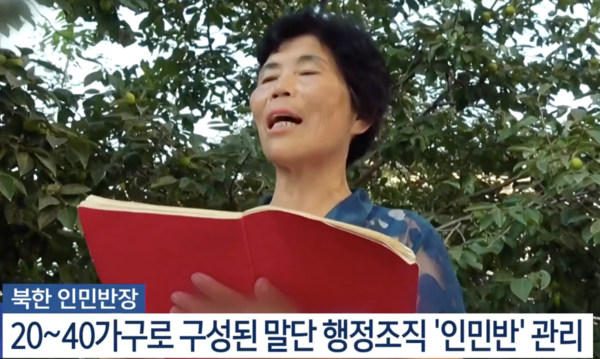
북한은 전국적으로 400여 개의 '사회주의 생활문화 모범 인민반'을 새롭게 배출했다고 지난 30일 발표했다.
이 말은 한국 사람들에게 낯설다. '모범 인민반'이라니, 무슨 뜻일까? 이는 북한이 주민들의 일상생활을 정치적 기준으로 평가하고 통제하는 체제임을 보여주는 상징적인 것이다.
집 안에 무엇이 있는지, 집 앞 화단을 어떻게 가꾸는지, 벽에 어떤 구호를 붙였는지, 어떤 책을 읽고 어떤 말을 쓰는지까지 모두 '사회주의 생활문화'의 기준에 따라 감시되고 평가된다.
이러한 현실은 단순한 '생활 개선'이 아니라 문화의 자유를 말살하는 체계적 폭력, 곧 '문화 대량학살(cultural genocide)'이다.
대량학살에는 민족학살, 정치학살이 있다.
그러나 아직도 학계에서 충분히 다루지 않는 대량학살이 있다. 바로 '문화 대량학살'이다. 이는 총칼이 아니라, 언어와 책, 감정과 기억, 감각과 상상력을 제거하는 방식으로 진행되는 학살이다.
북한은 지난 80여 년간 이 문화 대량학살을 일상화해왔다. 언어를 통제하고, 책을 금지하고, 종교를 박해하고, 감정을 지배하고, 외부 세계와의 모든 연결을 차단하고 있다.
많은 사람들이 북한을 이야기할 때 "왜 그 안의 사람들은 일어나지 않는가"라고 묻는다.
그러나 이 질문은 전체주의의 본질을 모르는 데서 비롯된다. 사회주의나 공산주의는 경제 체제일 뿐이다. 그 예를 중국으로 볼 수 있다.
헌법에 중국식 사회주의는 자본주의를 겸했기에 북한식 사회주의와는 완전 다르다.
북한은 사회주의를 헌법에 넣었지만 그들 체제는 단 한번도 사회주의 이념을 실현해 본 적이 없다.
북한은 사회주의가 아니라 전체주의 독재 체제이며 우리가 생각하는 공포는 그보다 훨씬 더 깊고, 더 무서운 체제다. 전체주의는 단지 부정적인 생각을 금지하는 것이 아니다.
독재자에 대한 긍정적인 감정을 강요하고, 그것을 위해 사람들의 목숨을 대가로 삼는다. 생각을 통제하고, 감정을 규정하고, 행동의 규범까지 정한다. 우리가 무엇을 느껴야 하는지, 무엇을 사랑해야 하는지까지 지시한다. 그리고 그것이 '생활문화'라는 이름으로 포장된다.
한 마디로 서로 다른 뿌리의 꽃들은 모조리 뽑아 버리고 같은 색깔의 꽃 들을 강제로 주입시켜 원래의 모든 것을 파괴하는 시스템이다.
북한에서 진행된 문화 대량학살의 사례는 다음과 같다. 특히 코로나 이후 북한이 내세운 제3대 악법만 보고도 다시금 알 수 있다.
- 언어 박탈: 한국어 고유 표현 사용 금지, '수령어'만 허용.
- 도서·출판 금지: 외국 서적 소지 시 사형까지 가능.
- 종교 박해: 종교시설 파괴, 신앙 고백 금지.
- 문화유산 말살: 전통문화와 민속 유산의 체제화 또는 제거.
- 기본권 박탈: 표현·사상·양심의 자유 전면 금지.
- 경제권 파괴: 자율적 생계 활동 금지, 배급제에 의한 통제.
- 교육 파괴: 질문은 허용안되고, 비교는 배신이다. 모든 과목이 수령 중심이며 교육기관은 선전기관으로 전략, 유치원부터 '김정은 찬가' 교육하며 세계사 지리 과학의 왜곡과 삭제는 물론이고 교사는 교육자가 아니라 감시자.
이 모든 것은 단지 '정치적 억압'이 아니라 삶의 감각 자체를 지우는 문화적 학살이다.
지금 한국 사회는 안전할까? 노조, 출판, 미디어, 교육계는 전체주의적 언어에 얼마나 저항하고 있는가?
<챗GPT가 작성한 영문기사>
Do South Koreans Know What a ‘Model People’s Unit’ Is?
A Defector in the UK Warns of North Korea’s Cultural Genocide
By Ji-Hyun Park, Senior Fellow, Center for Asia Pacific Strategy (CAPS), U.K.-based North Korean defector
The death of culture begins quietly.
North Korea announced on the 30th that it had newly selected more than 400 “Model Units of Socialist Lifestyle Culture” nationwide.
This phrase is unfamiliar to South Koreans. What does “model people’s unit” even mean? It is symbolic of a system in which the North Korean regime evaluates and controls its citizens’ daily lives based on political criteria.
What exists inside your home, how you maintain the garden in front of your house, what slogans you put on your wall, what books you read, and what words you use — all of it is monitored and assessed according to the standards of “socialist lifestyle culture.”
This reality is not simply “lifestyle improvement.” It is systemic violence that annihilates cultural freedom — in other words,cultural genocide.
Genocide includes ethnic genocide and political genocide.
Yet there is another form of genocide that academia still fails to address sufficiently:cultural genocide.
This is genocide not by bullets and knives, but by eliminating language, books, emotions, memories, senses, and imagination.
For more than 80 years, North Korea has normalized this cultural genocide — controlling language, banning books, persecuting religion, policing emotions, and severing all ties with the outside world.
Many people ask, “Why don’t the people inside North Korea rise up?”
But that question stems from a misunderstanding of the essence of totalitarianism.
Socialism or communism is merely an economic system.
China is the example.
Because the Chinese Constitution incorporates elements of capitalism, it is entirely different from North Korean-style socialism.
North Korea may enshrine “socialism” in its constitution, but it has never once implemented genuine socialist ideology.
North Korea is not a socialist state — it is a totalitarian dictatorship.
And the fear within it is far deeper and more horrifying than what most imagine.
Totalitarianism does not merely forbid negative thoughts.
It forces citizens to displaypositiveemotional loyalty toward the dictator — and demands their lives as collateral.
It controls thought, regulates emotion, dictates behavior, and instructs people on what they must feel and what they must love.
And it packages all of this under the name of “lifestyle culture.”
In short, it is a system that uproots every flower with a different root and forcibly replants flowers of the same color, destroying everything that originally existed.
Examples of cultural genocide in North Korea — clearly visible from the “Three Major Evil Laws” enacted after COVID — include:
Language deprivation: banning native Korean expressions; only “Suryong language” allowed
Book & publication bans: possession of foreign books punishable by death
Religious persecution: destruction of religious sites; total prohibition of religious confession
Erasure of cultural heritage: nationalizing or eliminating traditional and folk culture
Abolition of basic rights: total ban on freedom of expression, thought, and conscience
Economic control:prohibition of independent livelihood; people controlled through state rationing
Destruction of education:questions forbidden; comparison equals betrayal; all subjects revolve around the Supreme Leader; schools function as propaganda institutions; teachers act as monitors, not educators
These are not merely acts of political oppression — they erase the verysensory experienceof life. This is cultural extermination.
Is South Korean society safe today?
To what extent are unions, publishing, the media, and the education sector resisting totalitarian language?
#북한문화통제 #문화대량학살 #전체주의의현실 #모범인민반
#NorthKorea #CulturalGenocide #HumanRightsAbuses