

“I swear on my daughter’s life that I had no political intentions when I posted that photo,” she wrote.
[Chois Times=Serabi Oh, Columnist]
SEOUL — In what might seem at first glance like an absurd overreaction, South Korean model, TV personality, and kimchi entrepreneur Hong Jin-kyung has found herself at the center of an escalating controversy — all because of a red top.
On June 3, South Korea held its presidential election. That same day, while traveling in Sweden, Hong posted a seemingly innocent photo on social media showing herself wearing a bright red top while shopping. Almost immediately, accusations began circulating online that the color choice — red being traditionally associated with South Korea's conservative bloc — was a covert political statement.
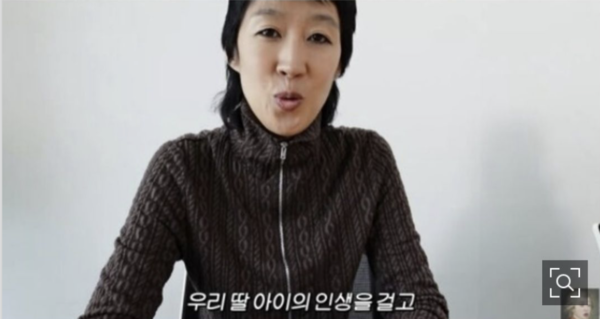
Initially, Hong issued a public apology. For most public figures, that might have put the issue to rest. Yet upon returning to South Korea, Hong posted a second, far more dramatic apology — this time invoking her daughter’s future as collateral to prove her innocence.
“I swear on my daughter’s life that I had no political intentions when I posted that photo,” she wrote. “If I am lying, may all my endeavors fail, may I stumble even while walking, and may misfortune follow my family for three generations.”
Hong insisted she never once thought about the political connotations of the color when posting the photo, saying, “I simply thought it was a beautiful outfit and a good picture.”
While some observers dismissed the incident as a case of excessive celebrity anxiety, others see darker undertones. Why would a celebrity feel compelled to make such a sweeping personal oath over something as minor as a clothing choice? Was she overcompensating, or had she faced significant behind-the-scenes pressure?
Some speculate that her business interests, particularly her kimchi brand sales, may have come under threat due to the controversy. Others point to possible backlash from certain segments of South Korea’s fiercely progressive online communities, particularly among ardent supporters of President Lee Jae-myung — known colloquially as"gae-ddal"(literally, “puppy daughters”), a highly organized and vocal faction known for targeting public figures who appear insufficiently aligned with the progressive camp.
In South Korea, as in Hollywood, the entertainment industry leans heavily left. Openly displaying conservative leanings can often lead to professional ostracization or even career termination. However, even by these standards, Hong’s repeated and increasingly desperate apologies have left many onlookers unsettled.
"Should a celebrity be allowed to wear blue but not red?" one commentator asked. "Are we really at the point where simply wearing the 'wrong' color amounts to a career-threatening offense?"
The episode has led some critics to draw uncomfortable parallels to ideological purges of the past, such as China's Cultural Revolution under Mao Zedong, where artists and intellectuals were among the first to face public denunciations and forced confessions.
As South Korea’s cultural and political polarization continues to deepen, Hong Jin-kyung’s “red shirt scandal” serves as a sobering reminder of how even the smallest gestures can become political flashpoints — and how fragile freedom of personal expression has become in a hyper-politicized era.
#Hong Jin-kyung red outfit controversy, #South Korea celebrity political scandal, #red shirt scandal South Korea,